- info@mbpotch.co.za

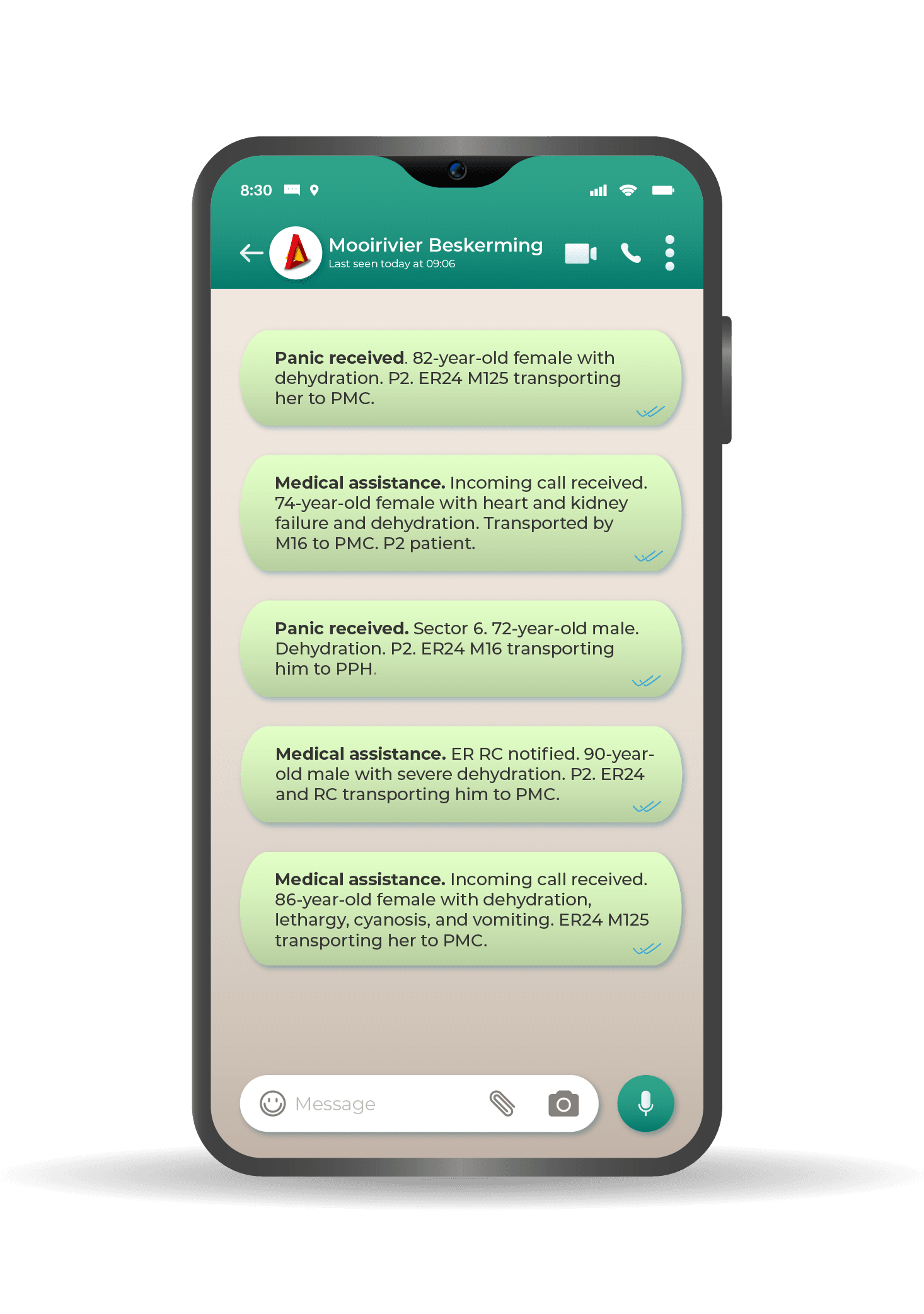
The test above are only a few of the many panic alerts and medical emergency messages on the internal communications of our response team.
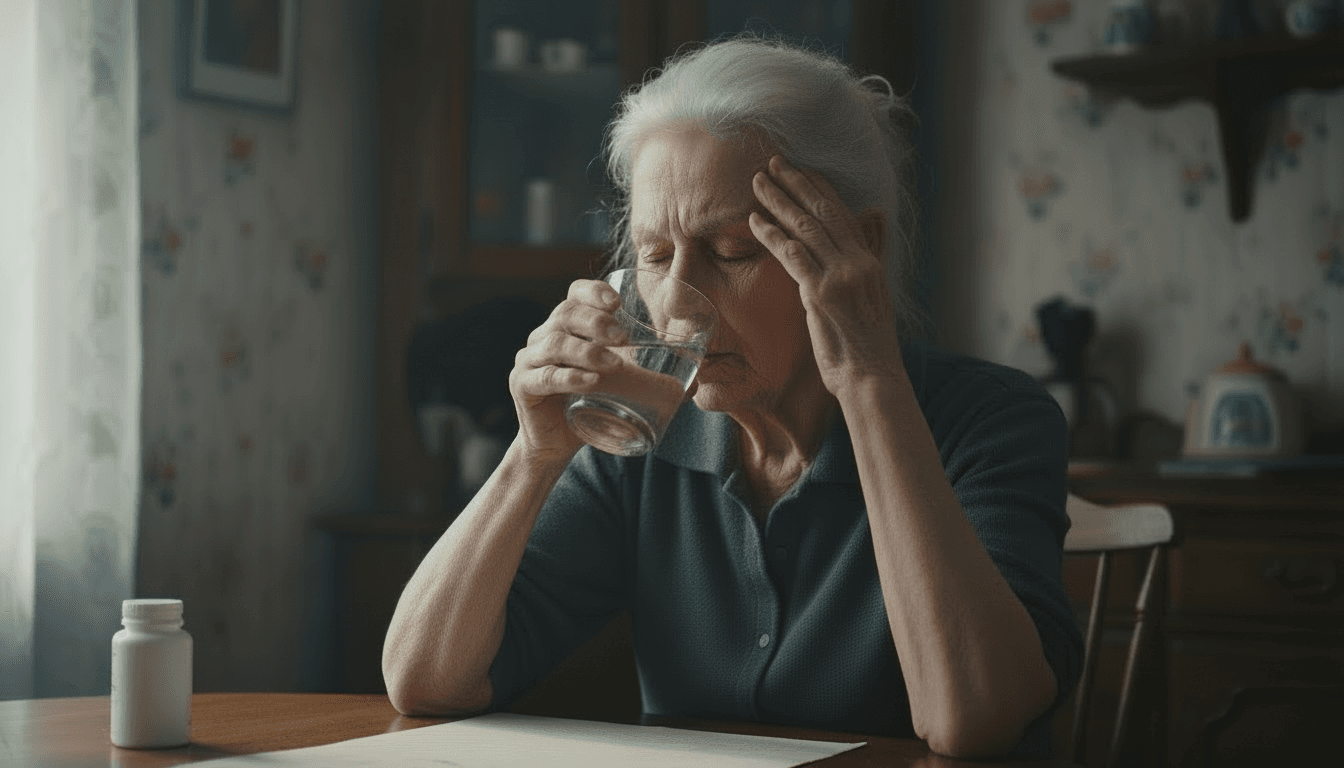
With Potchefstroom’s extreme summer temperatures, dehydration amongst the elderly is one of the most common medical emergencies we see.

When you think about how preventable dehydration is, and then witness the amount of life-threatening dehydration-related emergencies there are, we have to ask why this happens.
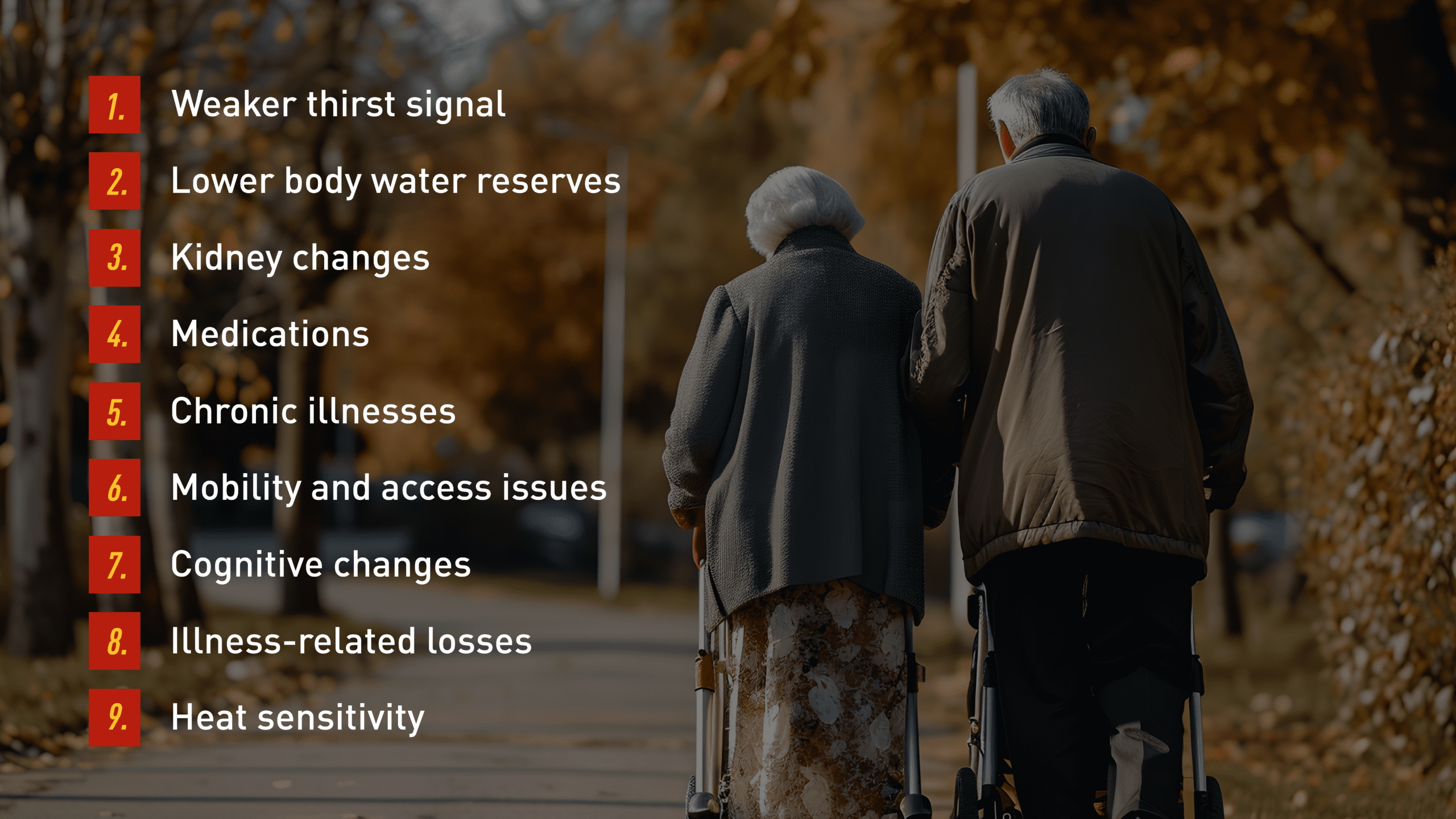
With regards to older persons – where we see a definite higher probability of dehydration – there are a few very normal age-related changes and practical factors stacking the odds against these precious humans.
These include:
1. Weaker thirst signal
As we age, the body’s thirst mechanism becomes less sensitive. An older person may already be dehydrated before they feel thirsty.
2. Lower body water reserves
Older adults have less total body water because muscle mass decreases with age. With a smaller “water reserve,” even mild fluid loss hits harder.
3. Kidney changes
Ageing kidneys are less efficient at conserving water, so more fluid is lost through urine.
4. Medications
Common meds in older adults—diuretics, blood pressure meds, laxatives, and some heart or kidney medications—can increase fluid loss or blunt thirst.
5. Chronic illnesses
Conditions like heart failure, kidney disease, diabetes, and infections can all increase fluid loss or limit how much someone is allowed to drink.
6. Mobility and access issues
Difficulty walking, fear of falling, or needing help to get water can lead to reduced fluid intake.
7. Cognitive changes
Dementia, confusion, or delirium can cause people to forget to drink or not recognise thirst.
8. Illness-related losses
Vomiting, diarrhoea, fever, or heat exposure cause rapid fluid loss, which older bodies struggle to replace quickly.
9. Heat sensitivity
Older adults regulate body temperature less effectively, making hot weather especially dangerous.
The older a person gets, the more important it is for them or their support network to take steps to ensure they stay properly hydrated. If you are an elderly person or care for an elderly person, try the following tips to encourage a higher intake of fluids and prevent dehydration.
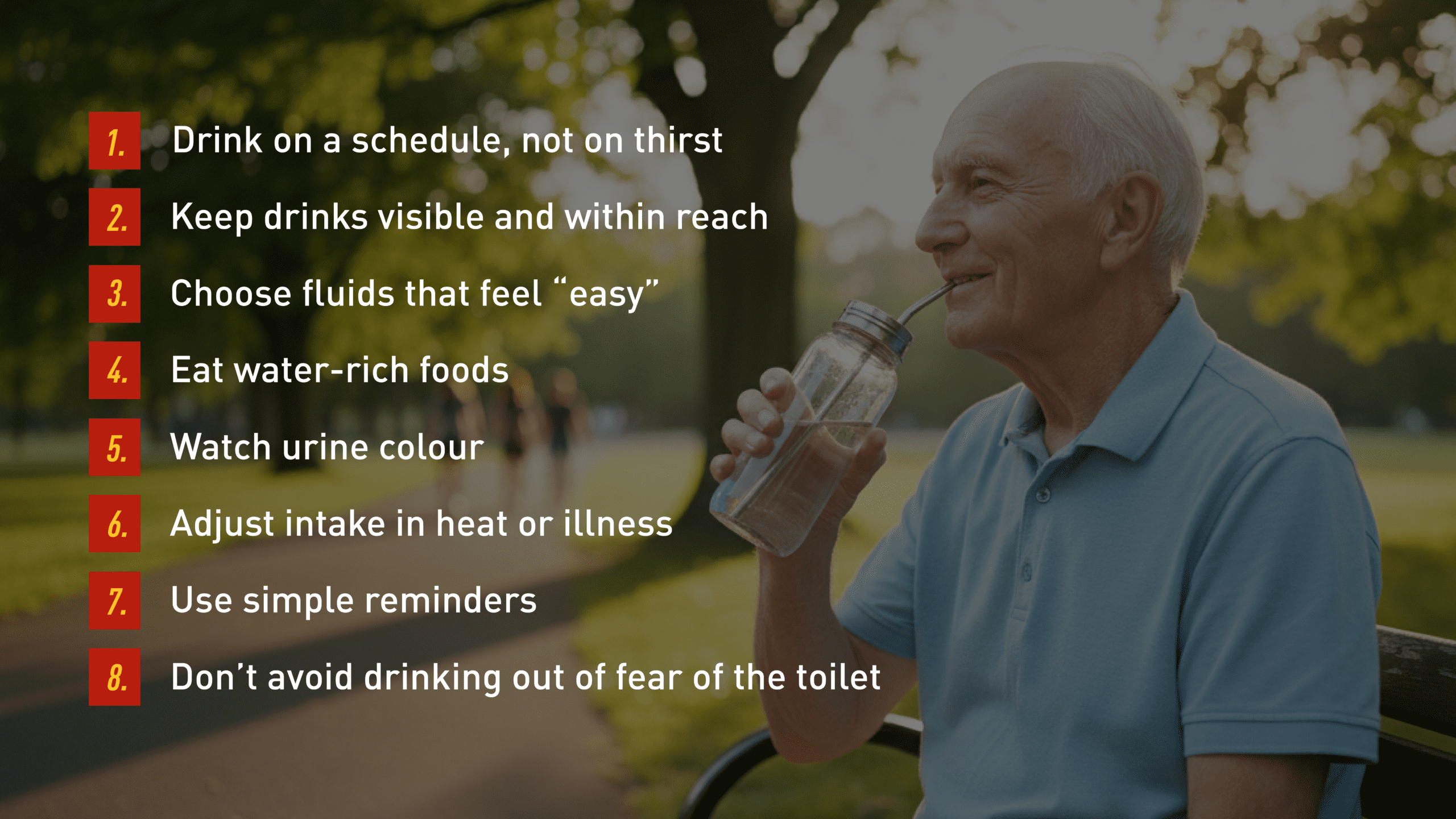
1. Drink on a schedule, not on thirst
Sip fluids regularly throughout the day (for example, a glass every 1–2 hours), even if you don’t feel thirsty.
2. Keep drinks visible and within reach
A bottle or jug nearby acts as a reminder and removes the effort barrier.
3. Choose fluids that feel “easy”
Water is best, but tea, milk, diluted juice and soups all count.
(Unless fluid-restricted by a doctor.)
4. Eat water-rich foods
Fruit and vegetables like watermelon, oranges, grapes, cucumber, tomatoes, and soups add hidden hydration.
5. Watch urine colour
Pale yellow = well hydrated.
Dark yellow or strong-smelling urine = drink more.
6. Adjust intake in heat or illness
Drink extra during hot weather, fever, diarrhoea, or vomiting — before symptoms worsen.
7. Use simple reminders
Phone alarms, a written checklist, or linking drinking to routines (after medication, meals, TV breaks).
8. Don’t avoid drinking out of fear of the toilet
If incontinence is an issue, speak to a nurse or doctor — cutting fluids makes things worse, not better.
Disclaimer: These guidelines are intended for informational purposes only and may help support hydration in older adults. They are not a substitute for professional medical advice. If dehydration is suspected, please consult a qualified healthcare professional promptly. The author of this blog is not a medical professional and does not provide medical diagnosis or treatment.