- info@mbpotch.co.za

Our community was recently shaken by the tragic loss of two lives in a very short space of time. In a place like Potchefstroom, where life often feels slower and more familiar, incidents like these remind us how quickly things can change—and how important it is to understand the unique risks of driving in a town environment.
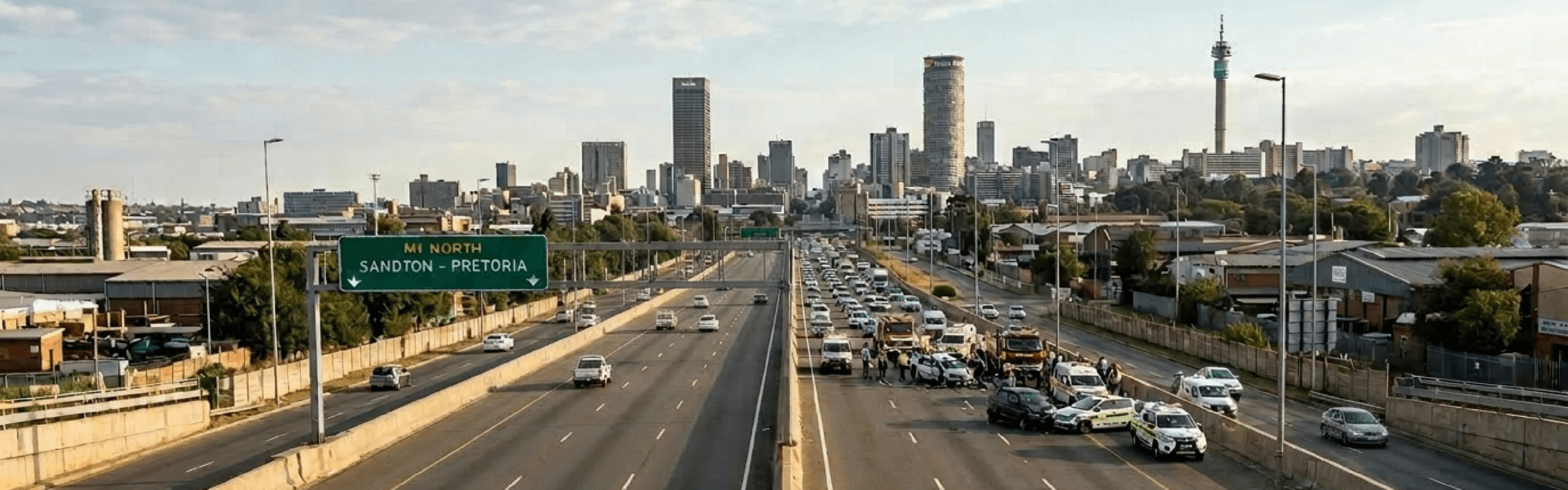
When people think about dangerous driving, they often picture busy highways in large cities like Johannesburg. High speeds, multiple lanes, and heavy traffic are typically associated with accidents. But the reality is that reckless driving in a town can be just as dangerous—if not more so—because the environment is completely different.
In a city, roads are designed to accommodate higher speeds and larger volumes of traffic. There are clear separations between pedestrians and vehicles, longer stretches of road, and systems that anticipate fast movement. Drivers are often more alert to the pace and unpredictability of traffic.
Potchefstroom, however, is not built like that. It is a town made up of closely connected neighbourhoods, schools, and shared public spaces. People walk to nearby destinations, children move between home and school, and runners and cyclists use the same roads as vehicles. Everyday life happens right alongside traffic. This creates an environment where slower speeds and heightened awareness are not just recommended—they are essential.
One of the biggest challenges in a town like ours is familiarity. Many drivers travel the same routes every day. Over time, this can lead to a false sense of confidence. When you know where the potholes are, when traffic is usually light, or which streets seem quiet, it becomes easy to relax your attention. Speed limits start to feel optional, stops become less deliberate, and the road feels predictable.
Skipping a stop sign, rolling through a red light, or assuming “no one is coming” might save a few seconds, but it dramatically increases risk. In a town where roads are shared so closely with pedestrians and other road users, these small decisions can have serious consequences. Intersections, in particular, become high-risk areas when rules are ignored, because they rely on mutual trust and predictability.
There are also other realities we cannot ignore. Potchefstroom is home to a large student community, and with that comes an active social environment. Evenings and weekends often see people travelling to and from gatherings. While this is part of the vibrancy of our town, it also increases the risk of poor decision-making on the road—especially when driving under the influence or when alertness is compromised.
In a small town, everything is closer together. This means less reaction time, more unexpected movement, and more shared space between vehicles and people. A child might cross unexpectedly. A runner could step into the street. A cyclist may need to swerve around an obstacle. What might have been avoidable at a lower speed—or with full attention and rule-following—can quickly become irreversible.

The events of this past weekend are a painful reminder of this reality. In a close-knit community like Potchefstroom, these losses are deeply felt. They affect families, friends, and neighbours. They remind us that road safety is not just a personal responsibility—it is a collective one.
Creating safer roads in our town starts with a shift in mindset. It means recognising that familiar roads still require full attention. It means respecting not only speed limits, but every rule designed to protect those who use the road. It means making responsible choices, especially in moments when it may be easier not to.
At Mooirivier Beskerming, our role is to help protect and serve this community. But true safety begins long before emergency response is needed. It begins with everyday decisions—like how we drive, how aware we are, and how seriously we take the responsibility of being on the road.